
NodeBlaster newsroom
Two wires. One mining signal.
Company statements stay on the official record. Community discoveries, independent reporting, new hardware, and mining-floor chatter blow through The Steam Whistle.
Community wire
Fresh signals from the small-miner edge.
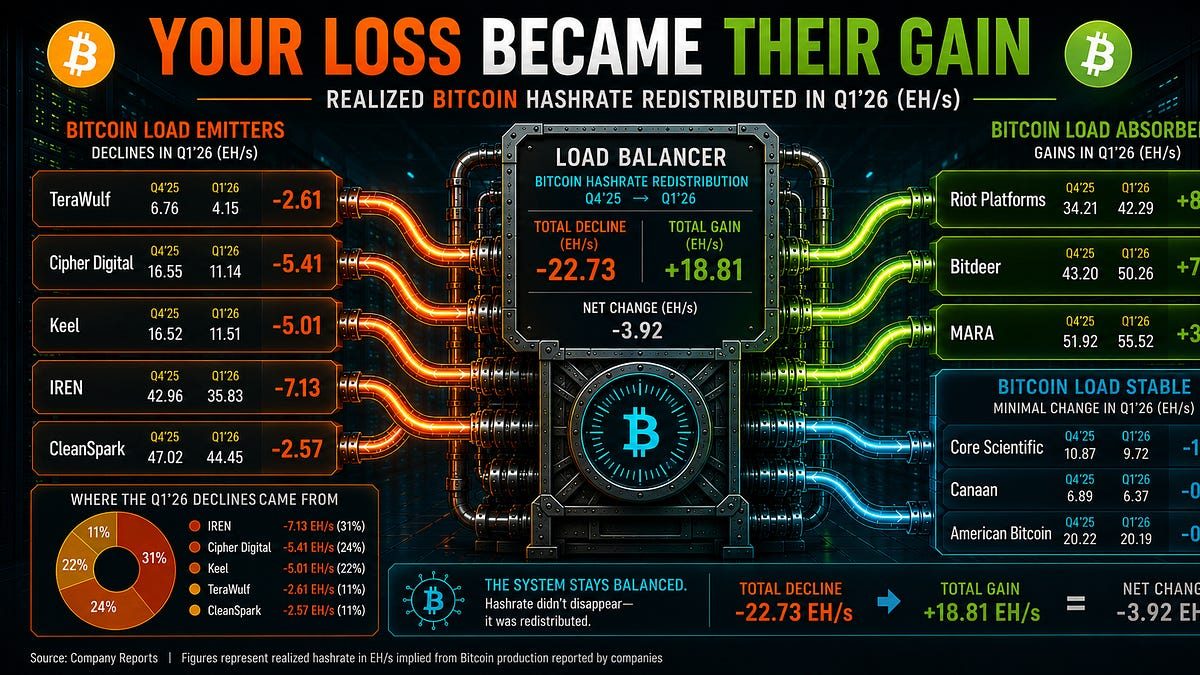 Miner Weekly
Public miners split between hashrate and AI retrofits.
Miner Weekly
Public miners split between hashrate and AI retrofits.
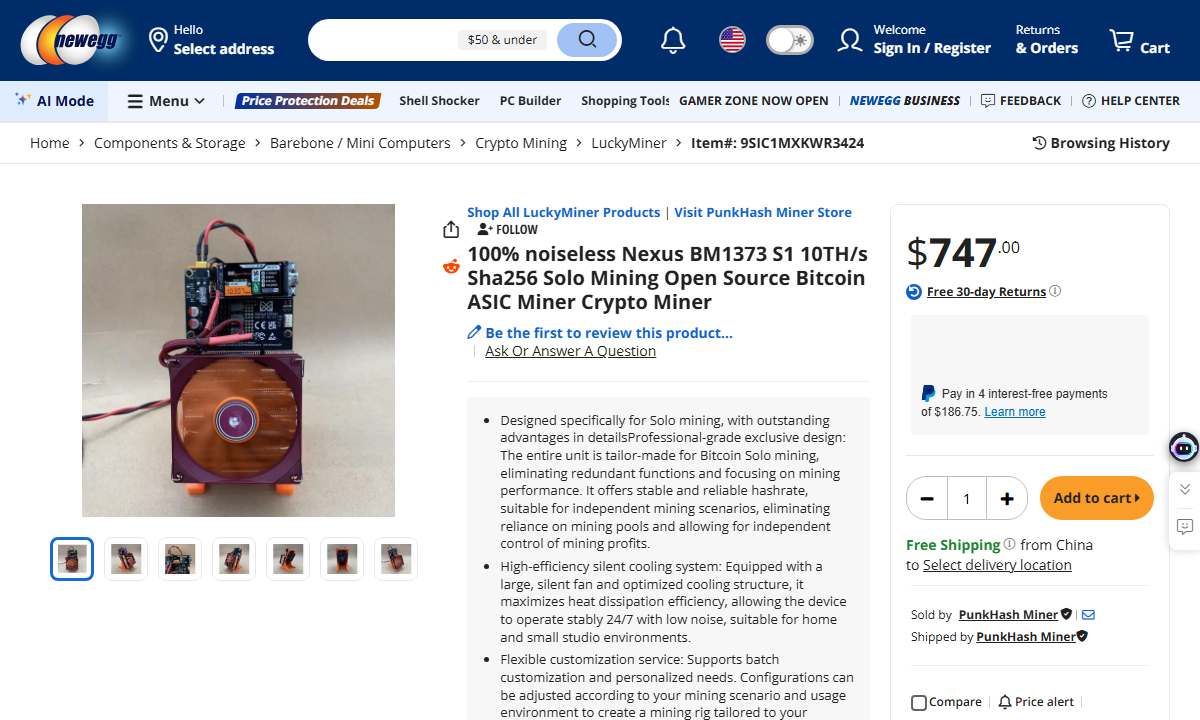 BM1373 market
A BM1373 solo miner listing turns availability into the story.
BM1373 market
A BM1373 solo miner listing turns availability into the story.
 Bitaxe
Open-source home mining keeps turning into hardware culture.
Bitaxe
Open-source home mining keeps turning into hardware culture.
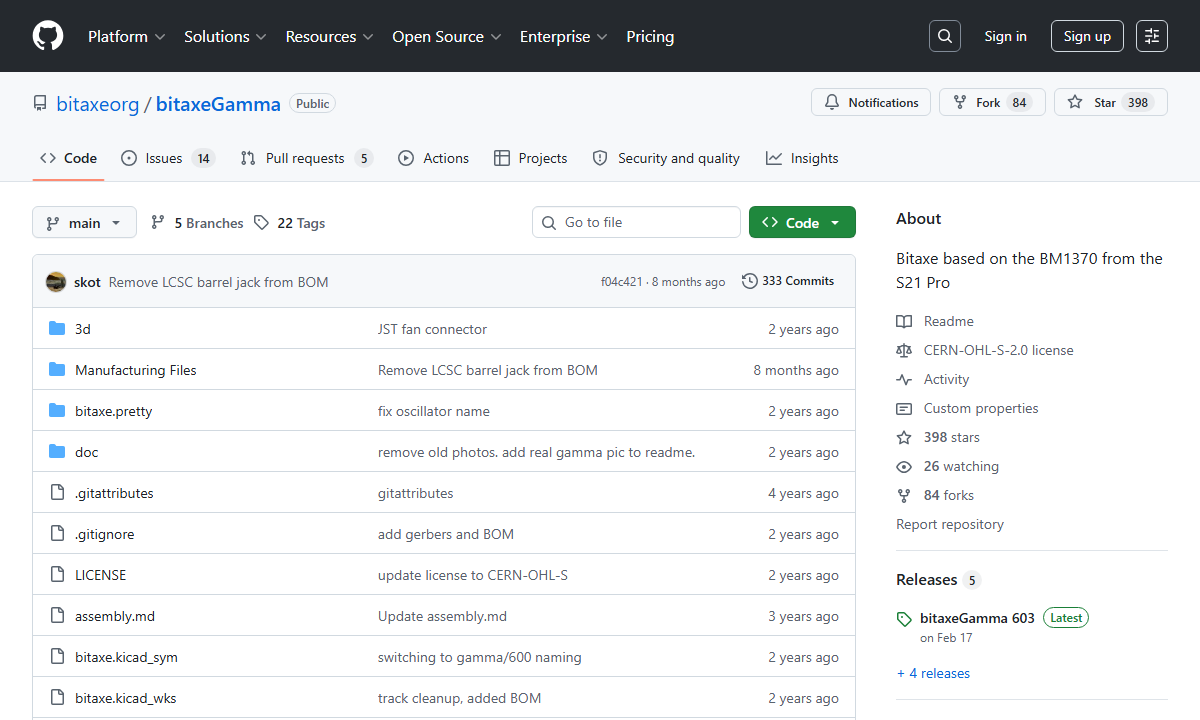 Gamma
Single-chip BM1370 gives home labs a serious reference board.
Gamma
Single-chip BM1370 gives home labs a serious reference board.
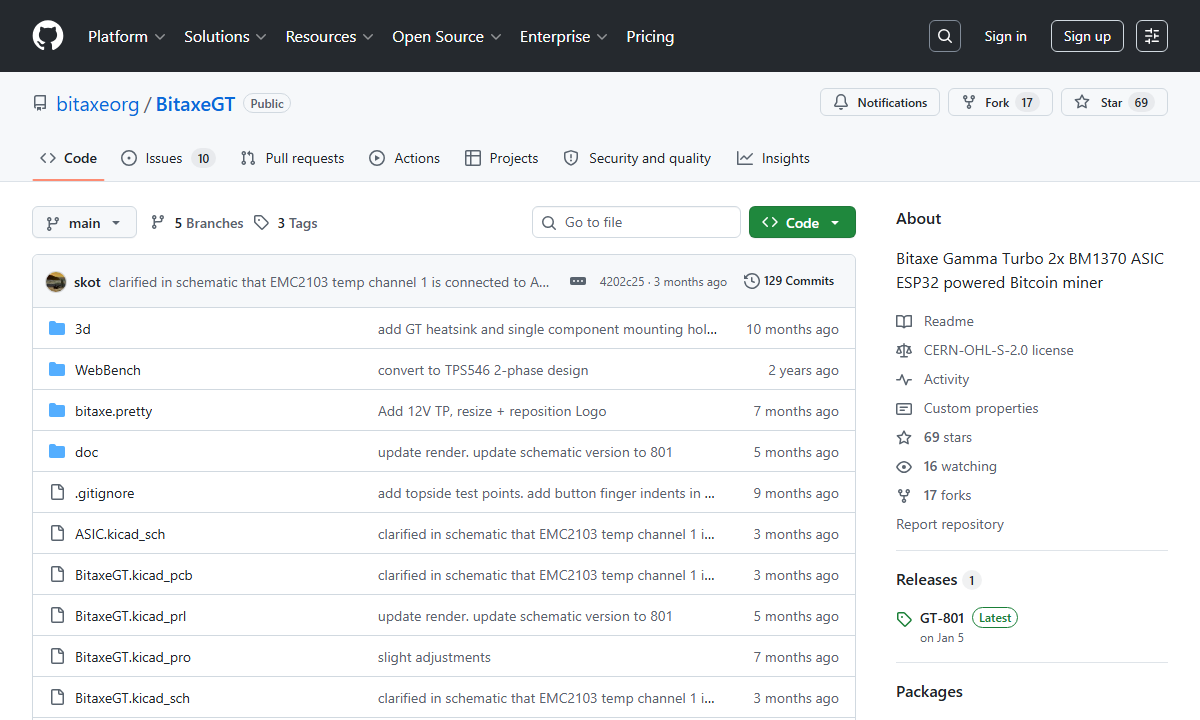 Gamma Turbo
Dual BM1370 pushes Bitaxe into modern multi-chip territory.
Gamma Turbo
Dual BM1370 pushes Bitaxe into modern multi-chip territory.
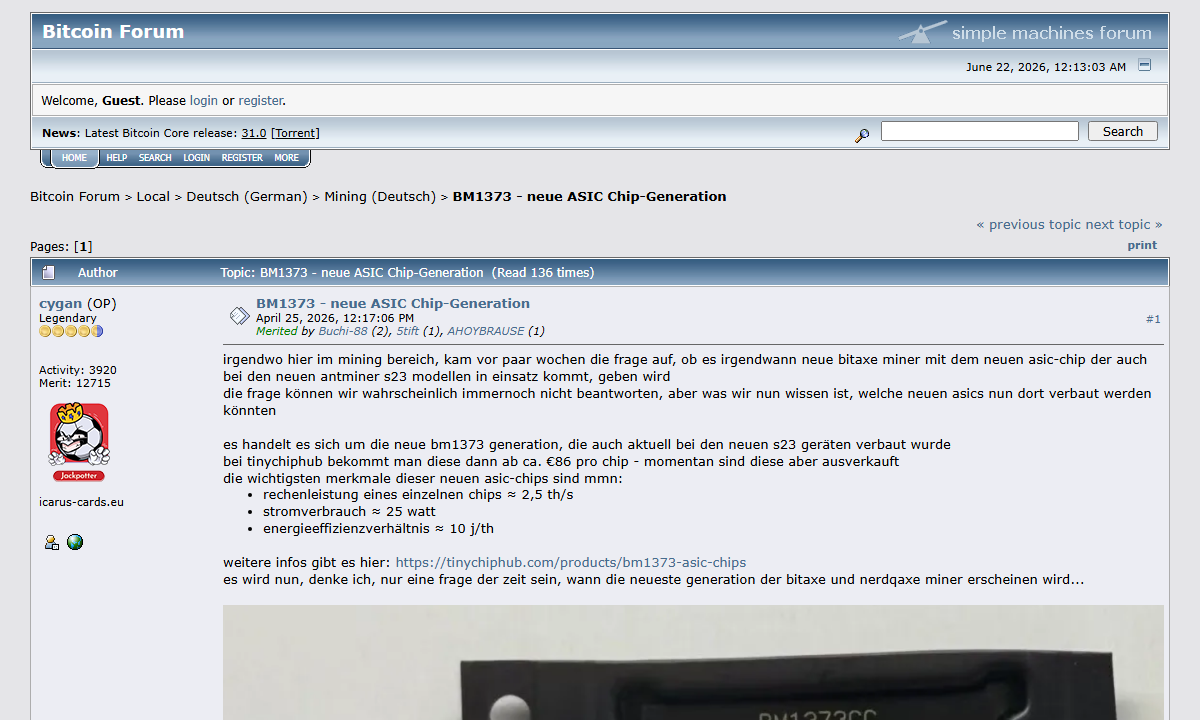 BM1373 thread
Forum watchers track specs, price, and Nerdaxe timing.
BM1373 thread
Forum watchers track specs, price, and Nerdaxe timing.
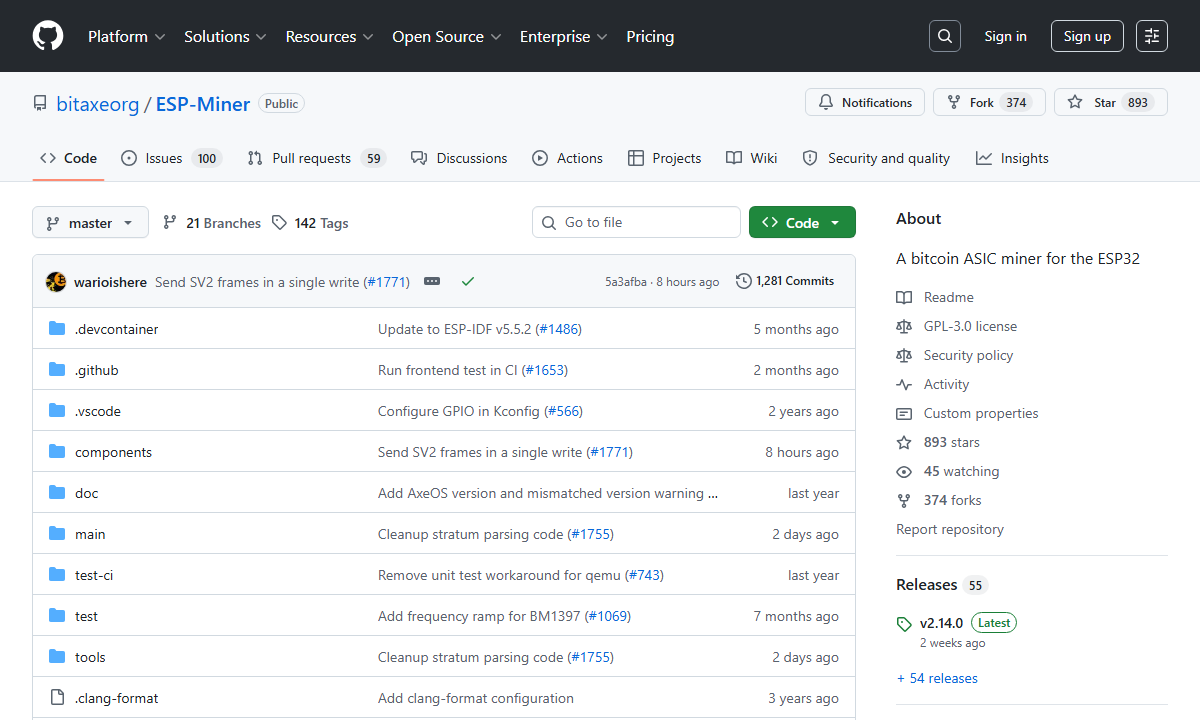 AxeOS
ESP-Miner keeps the tiny-rig dashboard layer moving.
AxeOS
ESP-Miner keeps the tiny-rig dashboard layer moving.
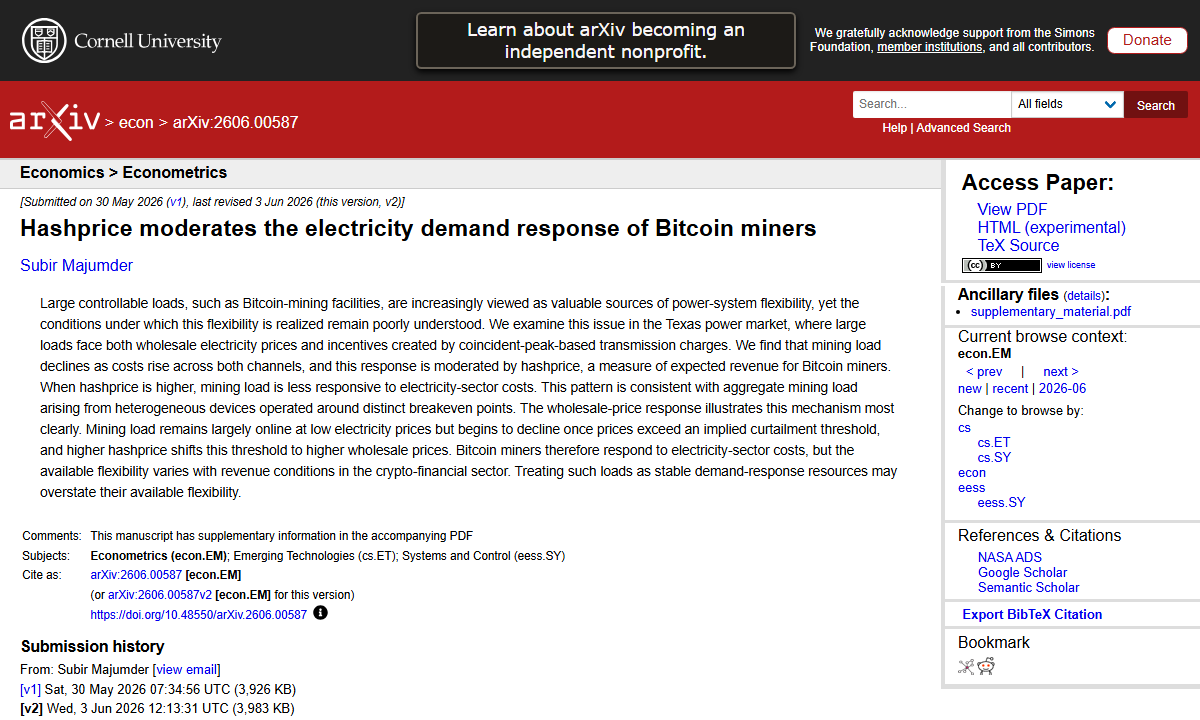 Grid research
Hashprice changes how miners respond to power prices.
Grid research
Hashprice changes how miners respond to power prices.
Silicon watch
Open-source Bitcoin mining is getting weird, small, efficient, and very interesting.
Bitaxe, Gamma, Gamma Turbo, Nerdaxe, NerdQAxe, NerdOctaxe, Octaxe, AxeOS, home-lab miners, flexible loads, BM1373 watch items, market signals, and practical product news from the mining edge.
From the web
Fresh crypto and mining signals from around the web.
Public miners are splitting between hashrate and AI retrofits.
Miner Weekly's Q1 read says large public miners moved more than 2.2% of Bitcoin compute power off the network as AI and HPC site conversions accelerated.
More info at Miner Weekly
Bitcoin mining as a business discipline story.
Entrepreneur frames mining around long-term infrastructure, operational efficiency, and resilience instead of short-term price-chasing.
More info at Entrepreneur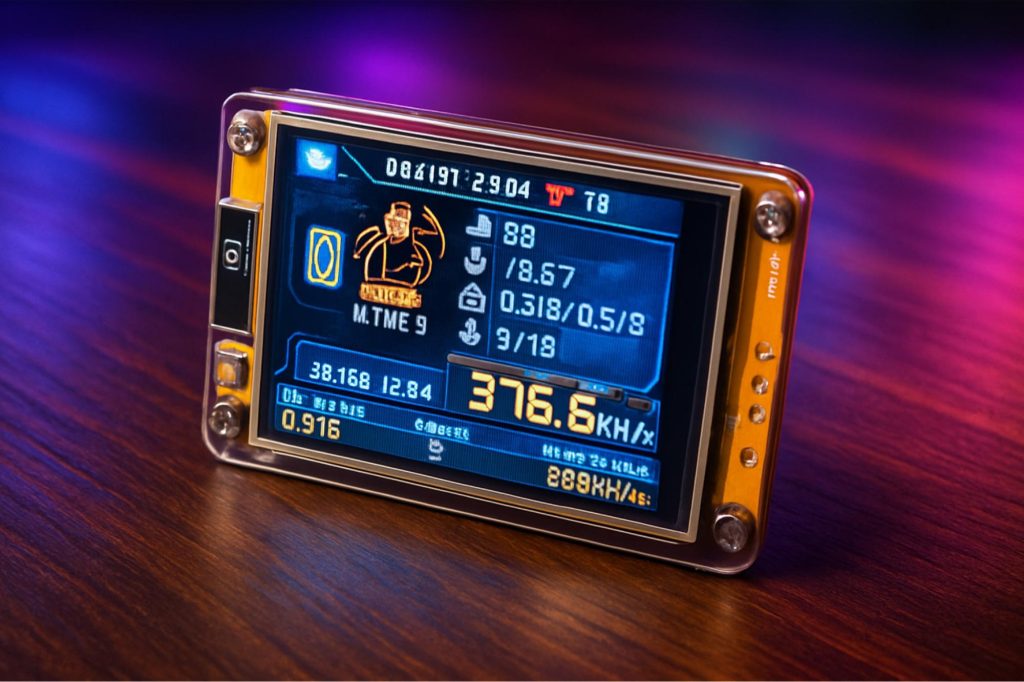
Bitaxe shows up as an office-friendly mining product.
Entrepreneur's commerce piece highlights Ticket Miner and Bitaxe-style devices as compact, quiet entries into solo mining culture.
More info at Entrepreneur
Mining knowledge is becoming a formal skill track.
Blockchain Council lists a Certified Bitcoin Mining Expert path with ASIC hardware, miner economics, pools, rigs, energy, and regulatory factors.
More info at Blockchain Council
Bitcoin sentiment is noisy, but the chart crowd is active.
TradingView's public surface shows BTCUSD, Bitcoin dominance, crypto trends, gainers/losers, and a constant stream of Bitcoin trade ideas.
More info at TradingView
The broader crypto education feed is deep.
The Blockchain Council cryptocurrency category publishes a large stream of tutorials, trading pieces, digital asset explainers, and market-learning articles.
More info at Blockchain Council
Grafa tracks fast market movement across crypto.
Grafa positions itself as a high-speed market data engine for stocks, crypto, and high-yield opportunities, with trends and news surfaces.
More info at Grafa
Yahoo Finance follows crypto markets for a mainstream audience.
Yahoo Finance is a useful broad-market crypto source for public miner stocks, BTC price news, and mainstream financial context.
More info at Yahoo FinanceHome-miner market watch
Availability, firmware, energy signals, and small-rig hardware culture.
Small miners are becoming hardware culture again.
The Bitaxe world is the opposite of black-box warehouse mining: open PCB files, open firmware, USB flashing, Wi-Fi dashboards, tiny fans, exposed heatsinks, and people learning how SHA-256 silicon behaves.
Useful coverage here should come from releases, teardown notes, firmware support, and real performance data.
More info at Bitaxe
Single-chip BM1370, home-lab serious.
The public Gamma repo describes an open-source Bitcoin ASIC miner using the BM1370 from the Antminer S21 Pro.
The repo calls out Wi-Fi operation, low maintenance, solo/pool modes, and roughly 1.2 TH/s per Gamma.
More info at GitHub
Dual BM1370 moves Bitaxe into multi-chip territory.
Bitaxe GT is the Gamma Turbo branch: dual BM1370 ASICs, ESP32 powered, and explicitly positioned as a modern multi-chip variant.
The repo tracks dual ASICs, revised components, 12V BAP direction, and the modern Bitaxe multi-chip branch.
More info at GitHub
BM1373 is turning into a home-miner market watch.
The interesting story now is availability and pricing: BM1373 chips, early single-chip miners, and 4-chip Nerdaxe/Octaxe-style builds are starting to surface across marketplace listings, video teardowns, and forum threads.
Keep the core numbers handy for comparison: roughly 2.5 TH/s per chip, about 25W, and near 10 J/TH. But the buying question is who can ship reliable units, at what price, and whether supply gets past early-adopter pricing.
More info at Reddit
The dashboard layer matters.
ESP-Miner gives Bitaxe boards their firmware and AxeOS surface, where little miners become observable machines.
The firmware exposes system info, ASIC settings, statistics, logs, restart, identify, OTA updates, and live websocket data.
More info at GitHub
Watch the derivative boards.
Nerdaxe, NerdQAxe, NerdOctaxe, and Octaxe-style products are worth tracking as the ecosystem experiments with form factor, chip count, cooling, displays, and polish.
This lane is for verified releases, seller pages, teardown notes, and firmware support.
More info at Reddit
The good energy story is flexibility.
Recent grid research treats Bitcoin mining as a fast-adjustable electricity load: mine when power is abundant, back off when it is scarce.
The research angle is operational flexibility: visible loads, smart curtailment, and fast response to power conditions.
More info at arXiv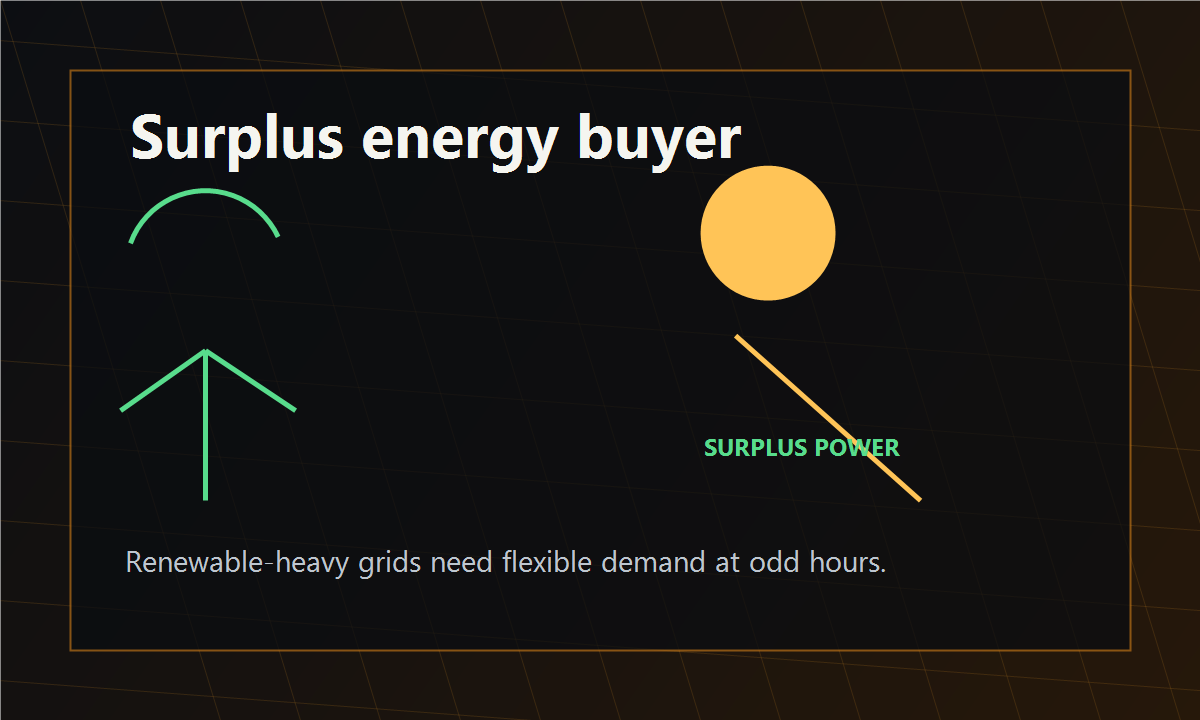
Surplus energy needs buyers at weird times.
Wind and solar do not always arrive when humans want peak power. Flexible miners can soak up cheap or stranded output.
That does not make every mining project clean, but it makes flexible mining a notable buyer profile for renewable-heavy grids.
More info at Axios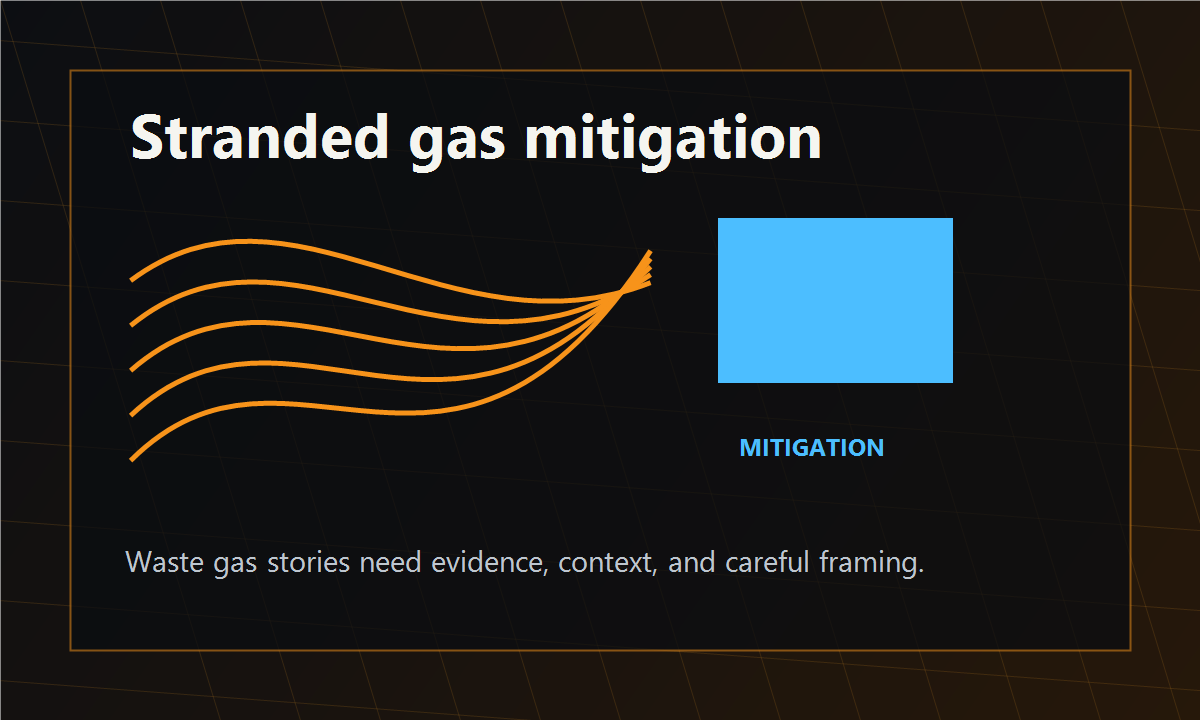
Waste gas can become a mitigation target.
Some advocates are pushing wellhead and abandoned-gas-well mining as a way to turn methane problems into financed remediation.
The core claim is that stranded gas can be converted into an economic cleanup path where conventional grid delivery is not available.
More info at AxiosSources