Strip and inspect
The computer is disassembled down to the frame so the thermal path, ports, contacts, wiring, and board condition can be checked thoroughly.
 NodeBlaster™
Intel's renowned Kaby Lake i7 processor / Bitcoin-ready refurbished hardware
Blocks don't stand a chance.
Solo Mining Node
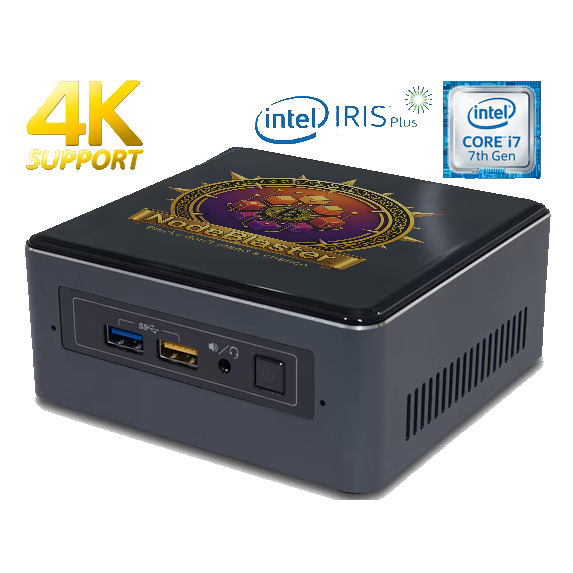
A professionally rebuilt Intel NUC powered by Intel's renowned Kaby Lake i7 processor, stripped down to the frame, thermally renewed, cleaned, BIOS updated, tested, and prepared for serious Bitcoin node and mining operations. You can count on your NodeBlaster for reliable 24/7 operation. It's not overkill. It's application specific horsepower.
Reassembled in the USA.


 Fast NVMe
Intel i7
Newest BIOS
DDR4 RAM
Premium thermals
Fast NVMe
Intel i7
Newest BIOS
DDR4 RAM
Premium thermals
You do not need to spend thousands on a new computer with the latest specs. Whether you run a Bitaxe, Nerdaxe, NerdQAxe, NerdOctaxe, or another home ASIC miner, the hardware does the hashing; what it needs beside it is a reliable, low-latency crypto mining node designed for BTC, BCH, and DGB operations around the clock. And as any Bitcoin miner knows, cooling is a priority.
Every NodeBlaster starts as an Intel NUC with the renowned Kaby Lake i7 processor and gets rebuilt for low-latency, dependable operation: fresh cooling, fresh thermal interface materials, cleaned contacts, tested memory, and high-speed M.2 NVMe storage. A custom auxiliary cooling fan is mounted over the M.2 drive to help keep storage temperatures stable during heavy mining operations. Because the base hardware is previously owned, units may show the usual nicks, scratches, and scuffs from normal wear and tear.
Frame-up refurbishment
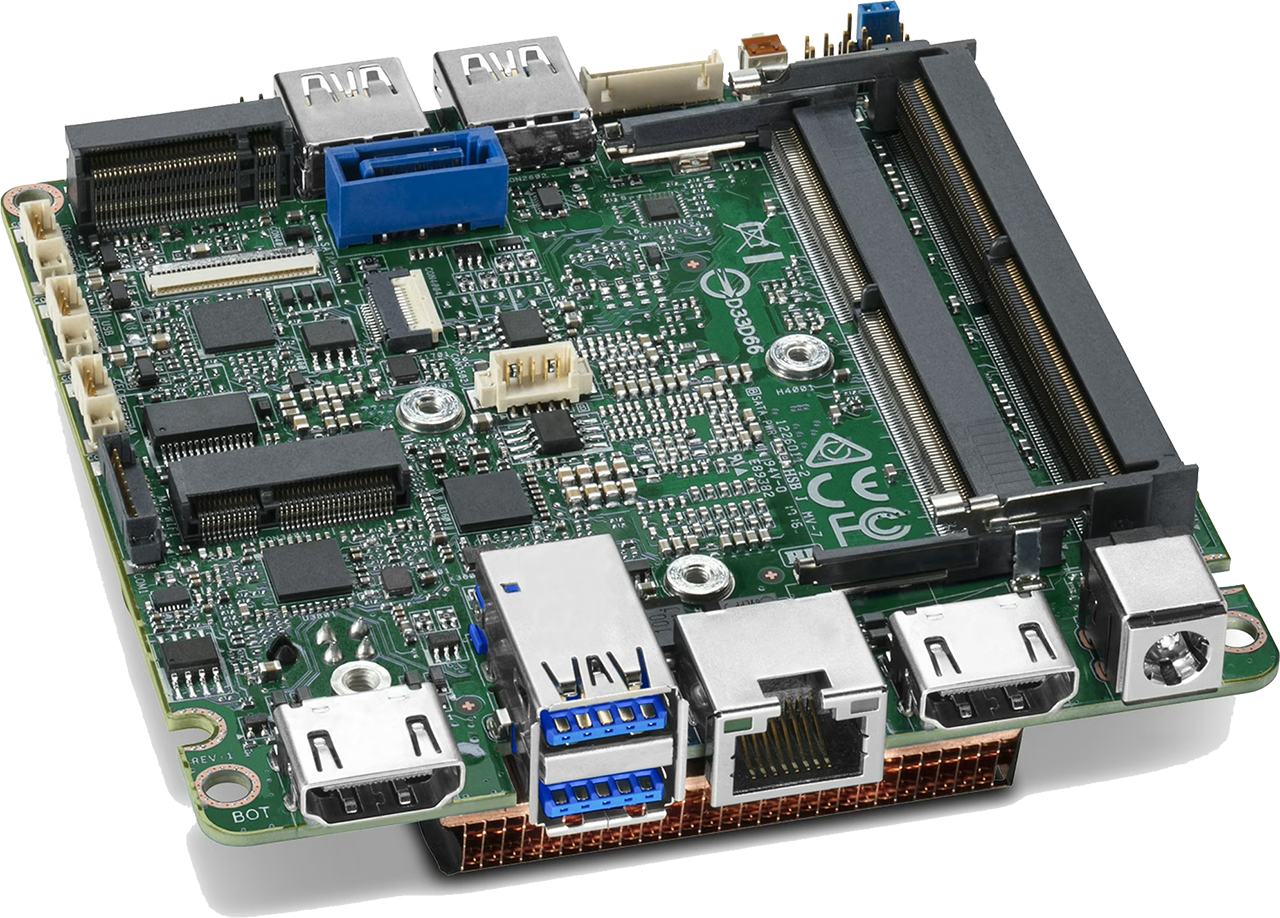
The computer is disassembled down to the frame so the thermal path, ports, contacts, wiring, and board condition can be checked thoroughly.
CMOS battery and CPU cooling fan are replaced, then the heat sink is pulled for a full paste and pad refresh.
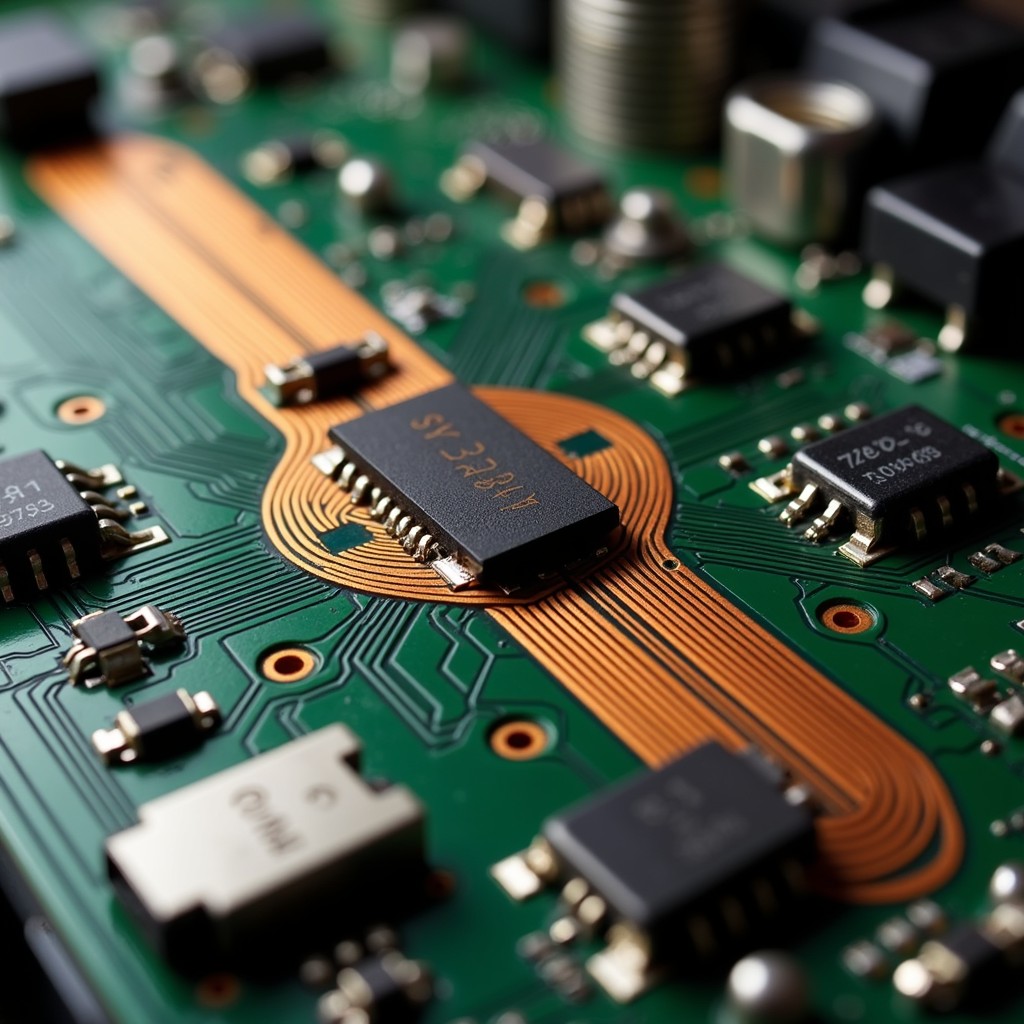
Old thermal paste and pads are removed and replaced with top-quality Arctic® thermal paste and thermal pads.
M.2 NVMe storage and RAM are installed and tested so each unit is ready for extreme low-latency operations.
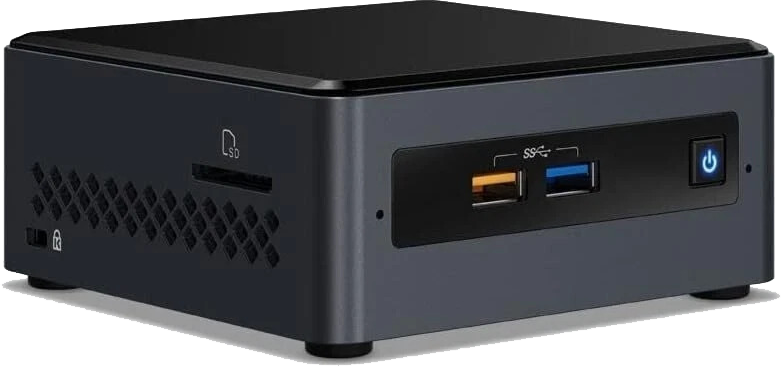
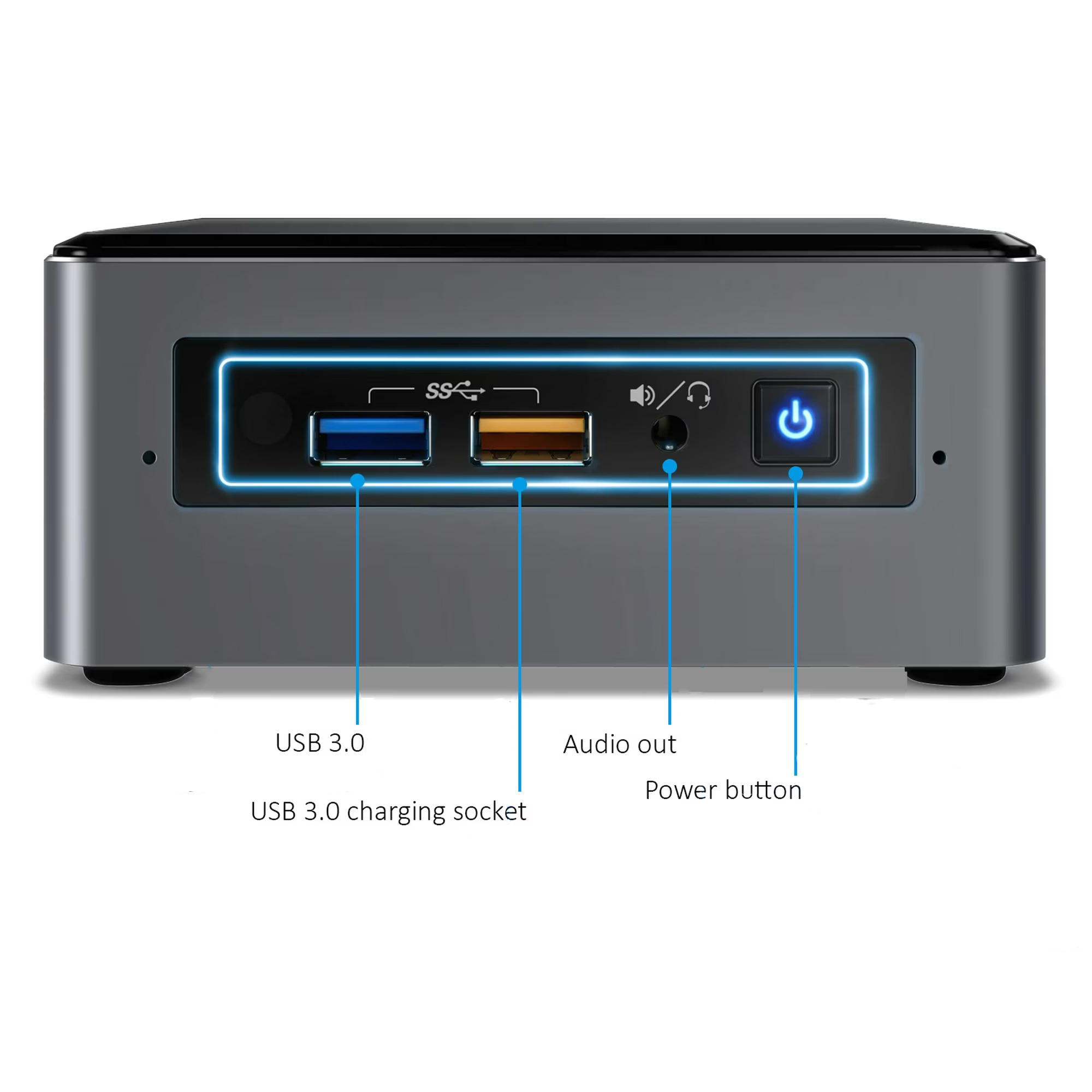
Intel NUC7i7BNH
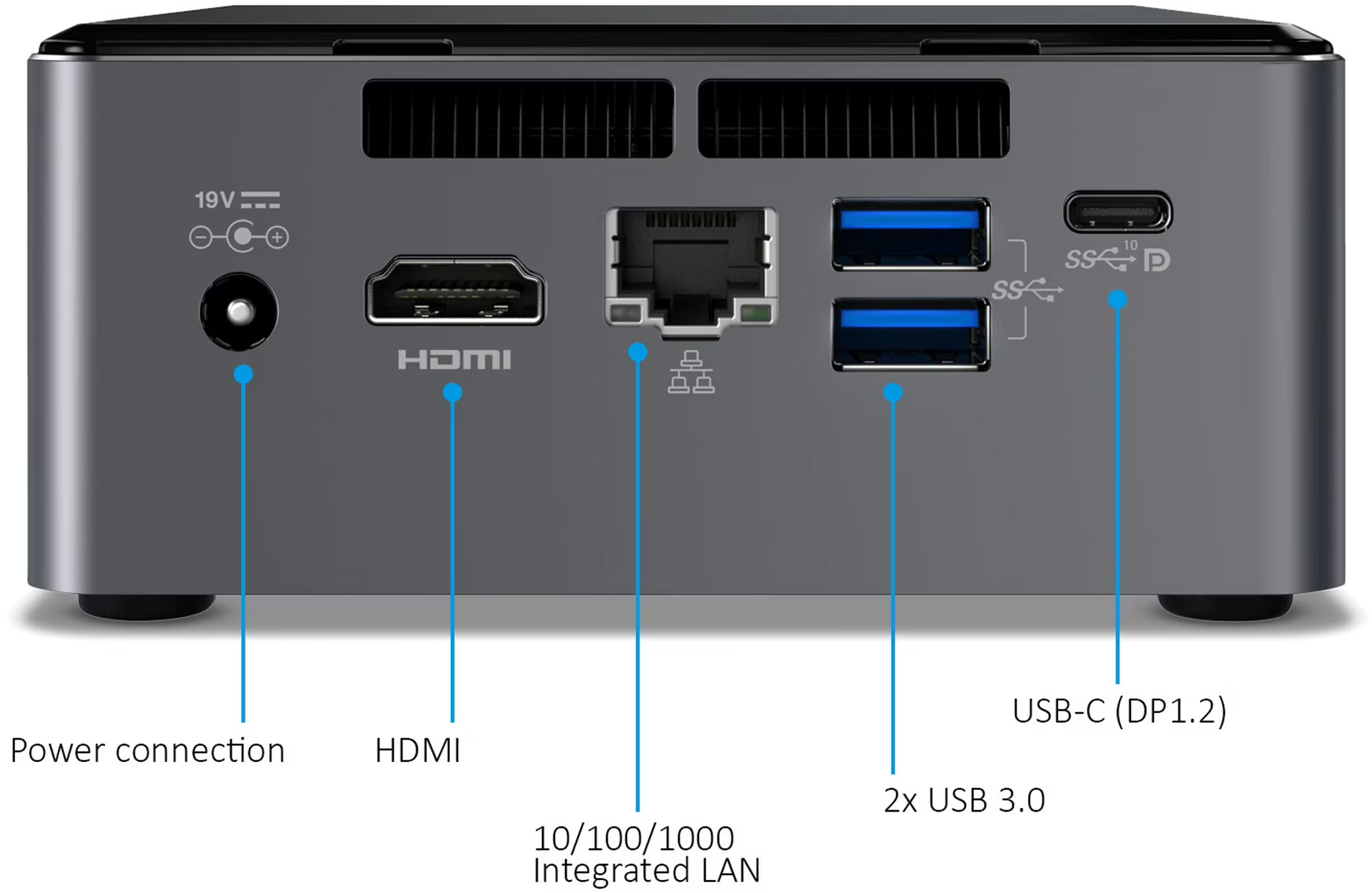
The NodeBlaster is built on the Intel NUC7i7BNH platform and then configured around the Linux Umbrel operating system and your coin/node selection. Memory and drive capacity are finalized per build, with full-node combinations receiving the largest storage profiles.
Linux Umbrel onboard
The NodeBlaster features the Linux Umbrel operating system, fine-tuned for mining server operations. Configured blockchains are synchronized before shipping, so your system can be ready to mine minutes after startup instead of waiting days for the initial sync. Setup is easy as 1, 2, 3.

Connect directly to your network for a steady server connection.
Give your new Umbrel server a predictable address on your router.
Enter the payout address in the settings for BTC, BCH, and DGB as configured.
Node field notes
A Bitcoin node checks blocks, rejects invalid transactions, and keeps its own copy of the rules. NodeBlaster turns that job into a dedicated box: wired Ethernet, tuned Umbrel, tested storage, and a build profile that matches how much chain history you want to keep.
Your miner is only as good as your node. Take control.
Read the full node guideA node independently checks the chain instead of leaning on a third-party server to tell you what is valid.
Pruned builds keep recent validated data lean. Full-node builds preserve the deepest history and need larger NVMe capacity.
Every independent node adds another route around censorship, downtime, and centralized choke points.
Low-latency mining edge
Latency is the delay between your miner submitting work and the pool receiving and validating it. When that delay climbs, shares can go stale, accepted work can drop, and effective hashrate can fall even while your gear is still burning power.
Adapted from low-latency mining pool guidance by Sazmining.
A far-away or poorly routed pool connection can turn small delays into rejected shares. Over enough submissions, those little misses stop feeling little.
If fewer shares are recorded by the pool, your effective hashrate drops. During congestion, the penalty gets sharper because timing matters most when everyone is racing.
A dedicated wired node box gives your setup a cleaner, always-on command point for pool selection, monitoring, and fast validation workflows.
Configure your build
Each NodeBlaster includes 90 days parts and labor warranty, 30 days of live online support, and full year of free NodeBlaster system updates. Bitcoin Core with Public-Pool is the foundation; add BCH or DigiByte support, then choose pruned or full node depth. Pruned vs full Pruned keeps the node lean by storing only recent validated blockchain data. Full keeps the full chain history, needs the 2 TB M.2 NVMe build, and costs more because it carries the larger archive. Neither setup has a performance advantage; choose what you can afford.
Build inquiry
Tell us what you want to run, how much chain history you need, and whether this is for a solo node, mining workflow, or low-latency pool setup.